Screens capture attention quickly. Books invite children to build a world inside their minds. The goal does not have to be eliminating screens. It can be helping a child discover that an exciting story offers a different kind of adventure, one they help create with every page.
For children ages 4 to 8, reading grows when books feel joyful, personal, and full of possibility. Start with characters children want to know, a mystery they want to solve, and a world they are eager to visit again.
Begin with stories that create curiosity
A child is more likely to choose a book when the opening creates an immediate question. Who is calling for help? What is hidden behind the waterfall? Why is a raven carrying a key? Curiosity gives children a reason to turn the page.
The Brin and Melly series begins with a powerful bear who feels lonely and a tiny owl whose unexpected arrival changes his life. In The Secret Cave, Brin and Melly meet Ari, a clever raven, and follow a mystery into a hidden place. Each answer opens another question.
Choose characters children want to follow
Children return to a series because the characters begin to feel familiar. Brin is strong but gentle. Melly is curious, expressive, and brave. Ari notices details others miss. Their different personalities create humor, tension, and friendship.
When children care what happens to a character, reading stops feeling like practice. It becomes a reunion with a friend.
Let suspense do some of the work
Try ending a shared reading session at a moment of discovery. Ask what your child thinks will happen next. The unfinished question can stay in the imagination long after the book closes.
The most powerful reading invitation may be a child asking, “Can we read one more page?”
Make reading shared time
A warm reading ritual can compete with the instant appeal of a screen because it offers something a device cannot replace, your attention. Choose a comfortable place, let children interrupt with questions, use different voices, and laugh together.
Even ten focused minutes can make a book feel connected to safety, closeness, and belonging.
Give children meaningful choices
Offer two or three books and let your child choose. Ask whether they want to hear the story, read part of it, study the illustrations, or act out a favorite scene. Choice gives children ownership without making reading feel overwhelming.
From favorite carvings to storybook characters
One rare part of the Brin and Melly series is that some characters do not begin only on a page. They begin inside a log.
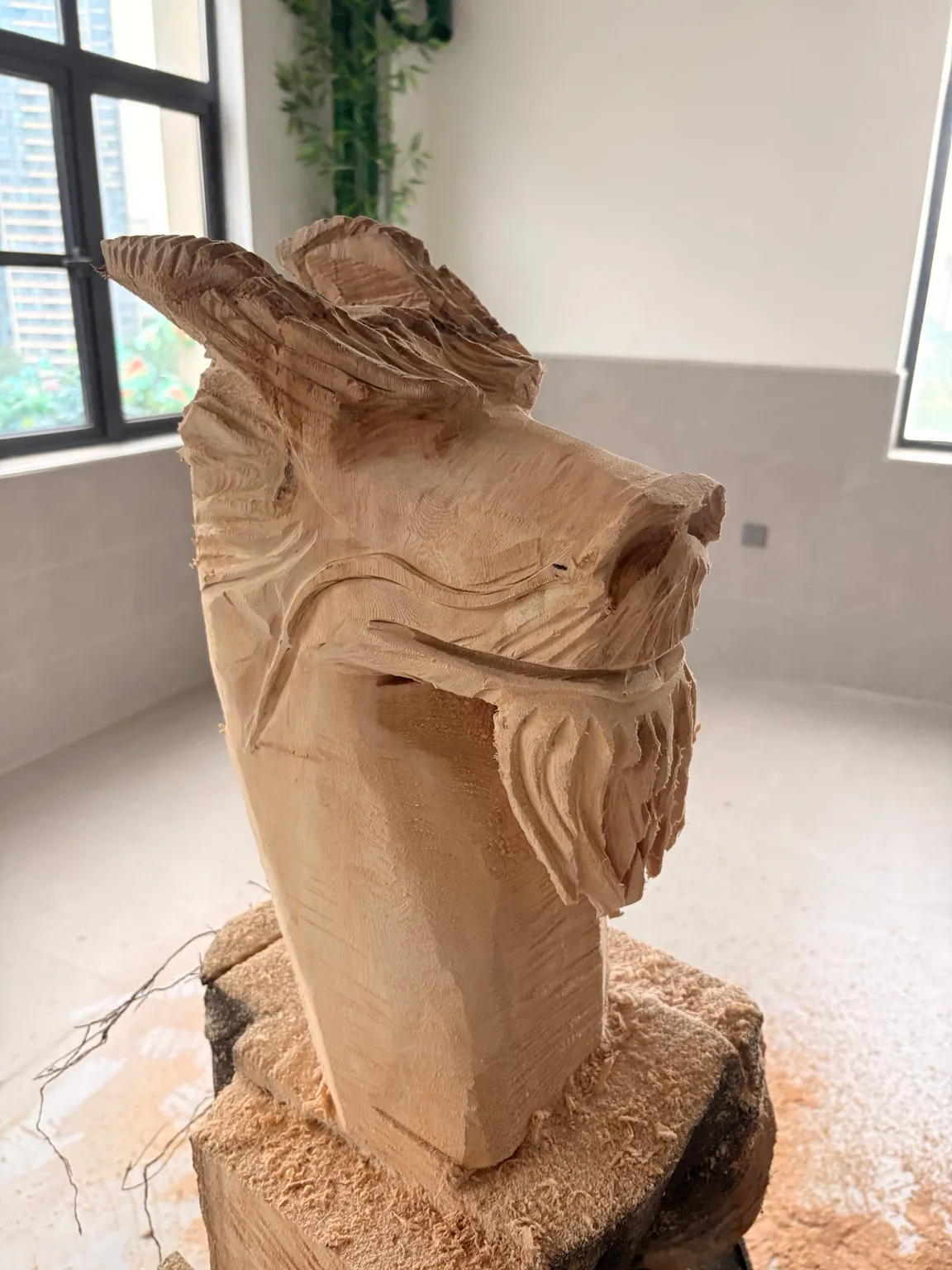
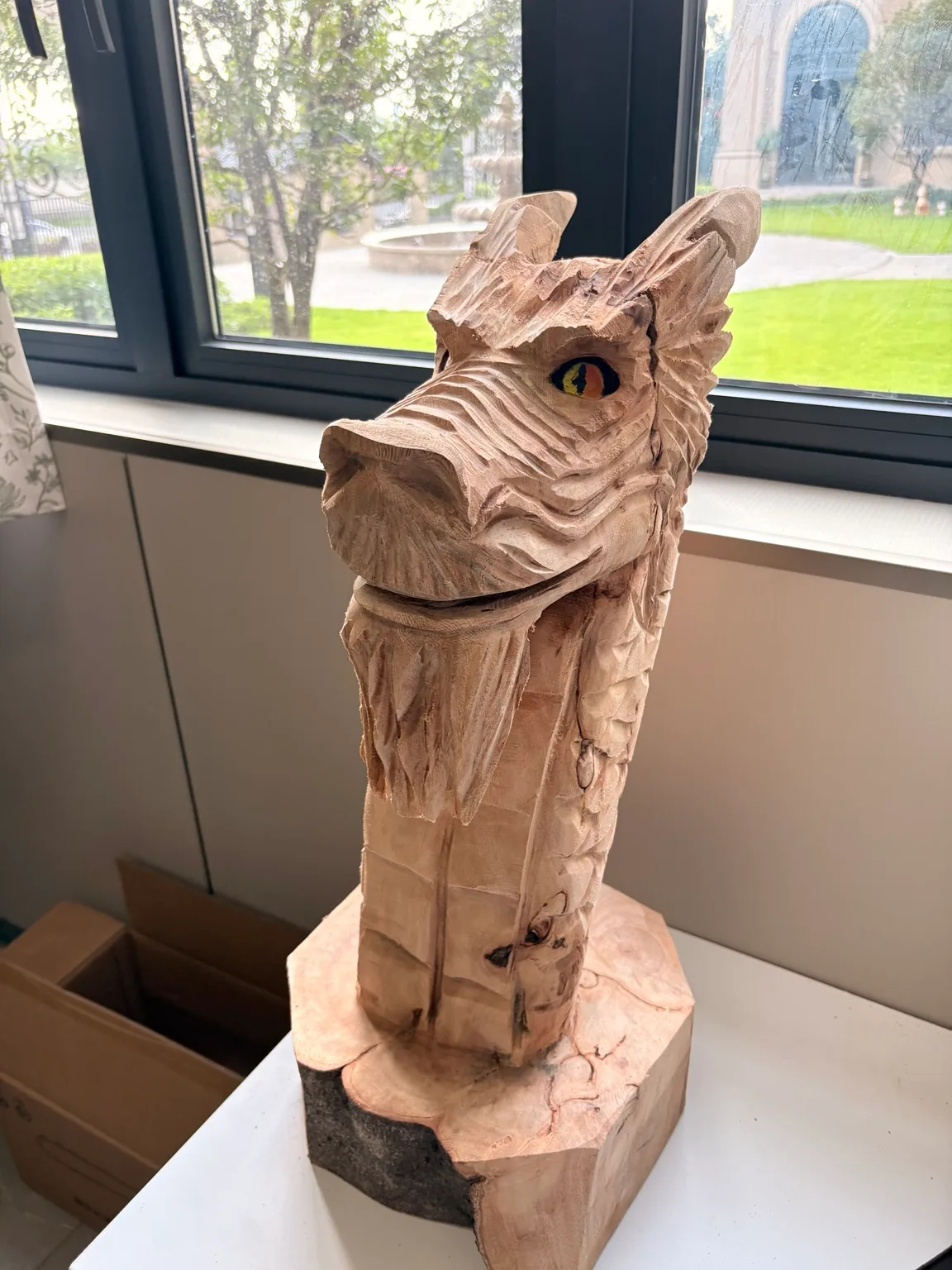
As the series develops, I am bringing some of my favorite carvings into the stories as new characters. Brin and Melly began as a bear and owl carved together in China. Ari grew from a raven carving I created for the world famous Fighting Ravens. Now, a dragon I carved is helping shape the mysteries and adventures ahead.
Children can see a character emerging from raw wood before meeting that character in a book. The process invites questions: Is this dragon a friend, a guardian, or a mystery? What is its name? What will it do next? Those questions turn reading into discovery.

Connect the story to something real
After reading, build a forest scene, draw a new character, visit a trail, make an owl from paper, or imagine what might be hidden behind a waterfall. A story becomes more memorable when it continues beyond the page.
The carving process offers another connection. Show your child the dragon photographs, then ask them to invent the character before the story reveals it. Their own ideas become part of the reading experience.
Ask imagination questions
- What do you think will happen next?
- Which character would you want as a friend?
- What would you do if you found the hidden cave?
- What kind of character might be waiting inside this carved dragon?
- How would you help Brin, Melly, and Ari solve the problem?
Model the reading life you want to see
Let children see adults reading for pleasure. Talk about a story you enjoyed. Keep books visible and easy to reach. Children notice what receives our attention, and enthusiasm is often more persuasive than instruction.
Build a series habit
A continuing series reduces the effort of choosing something new. Children already know the world and trust the characters, while each adventure adds a fresh mystery. Finishing one book naturally leads to the question, “What happens next?”
Make reading an invitation
Reading does not need to defeat every screen. It needs to become a rewarding choice. Exciting stories, familiar characters, shared rituals, and real creative connections can give books a lasting place in a child’s day.
When children discover that a log can become a dragon and a carving can become a storybook friend, they begin to see that every page may hold something they have never imagined before.