The best SEL read alouds do more than name a feeling. They give children a safe place to notice a problem, consider another point of view, and imagine what a caring response might look like.
For kindergarten through third grade, picture books work especially well because the illustrations, characters, and shared reading experience make big ideas easier to discuss. A strong social emotional learning book invites children into the conversation without turning the story into a lecture.
What makes a good SEL read aloud?
Look for a story with a clear emotional challenge, characters whose choices children can discuss, and enough space for readers to form their own ideas. Books about kindness for kids are most useful when kindness appears as a choice with real consequences, not simply as a rule.
The strongest classroom read alouds about friendship also make room for differences. Children benefit from seeing that friends do not need to think, look, communicate, or solve problems in exactly the same way.
Seven SEL books for elementary students
1. Brin and Melly by Aaron Daniel Chavez
A lonely grizzly bear and a curious little owl discover that unlikely friends can help each other find their way. The story supports conversations about friendship, courage, differences, kindness, and belonging. Ask: What does each friend bring to the journey? How do their differences help them?
2. The Invisible Boy by Trudy Ludwig
This gentle classroom story helps children notice exclusion and the power of a small welcome. Ask: When did Brian begin to feel seen? What is one way we can help someone feel included?
3. The Rabbit Listened by Cori Doerrfeld
A quiet story about empathy and being present when someone is hurting. Ask: Why was listening more helpful than trying to fix everything? What can good listening look like?
4. The Day You Begin by Jacqueline Woodson
This picture book explores the courage it takes to enter a room when you feel different. Ask: What helped the characters share their stories? How can a classroom make room for every voice?
5. Each Kindness by Jacqueline Woodson
A thoughtful choice for discussing missed opportunities, responsibility, and the lasting effect of everyday actions. Ask: What could the characters have done differently? What act of kindness can we choose today?
6. Enemy Pie by Derek Munson
A humorous story that encourages children to question assumptions and spend time with someone they think they do not like. Ask: What changed after the characters got to know each other?
7. Last Stop on Market Street by Matt de la Peña
A warm story about gratitude, community, and noticing beauty in unexpected places. Ask: What did CJ learn to see differently? What beauty can we notice in our own community?
Discussion questions that work with almost any story
You do not need a long lesson plan. Choose two or three questions and give children time to think before they answer.
- How do you think the character feels, and what makes you think that?
- When did someone show courage or kindness?
- What choice would you have made?
- Who helped another person feel that they belonged?
- How did the characters change from the beginning to the end?
- What part of this story connects with your own life?
A simple activity after the read aloud
Invite each child to draw a path. At the beginning, they can show a character facing a problem. Along the path, they can add one person, choice, or feeling that helps the character move forward. At the end, ask students to explain what the character learned.
This activity works well with friendship books for first grade and can be adapted for kindergarten with drawing or for older students with a short written reflection.
Using Brin and Melly in your classroom
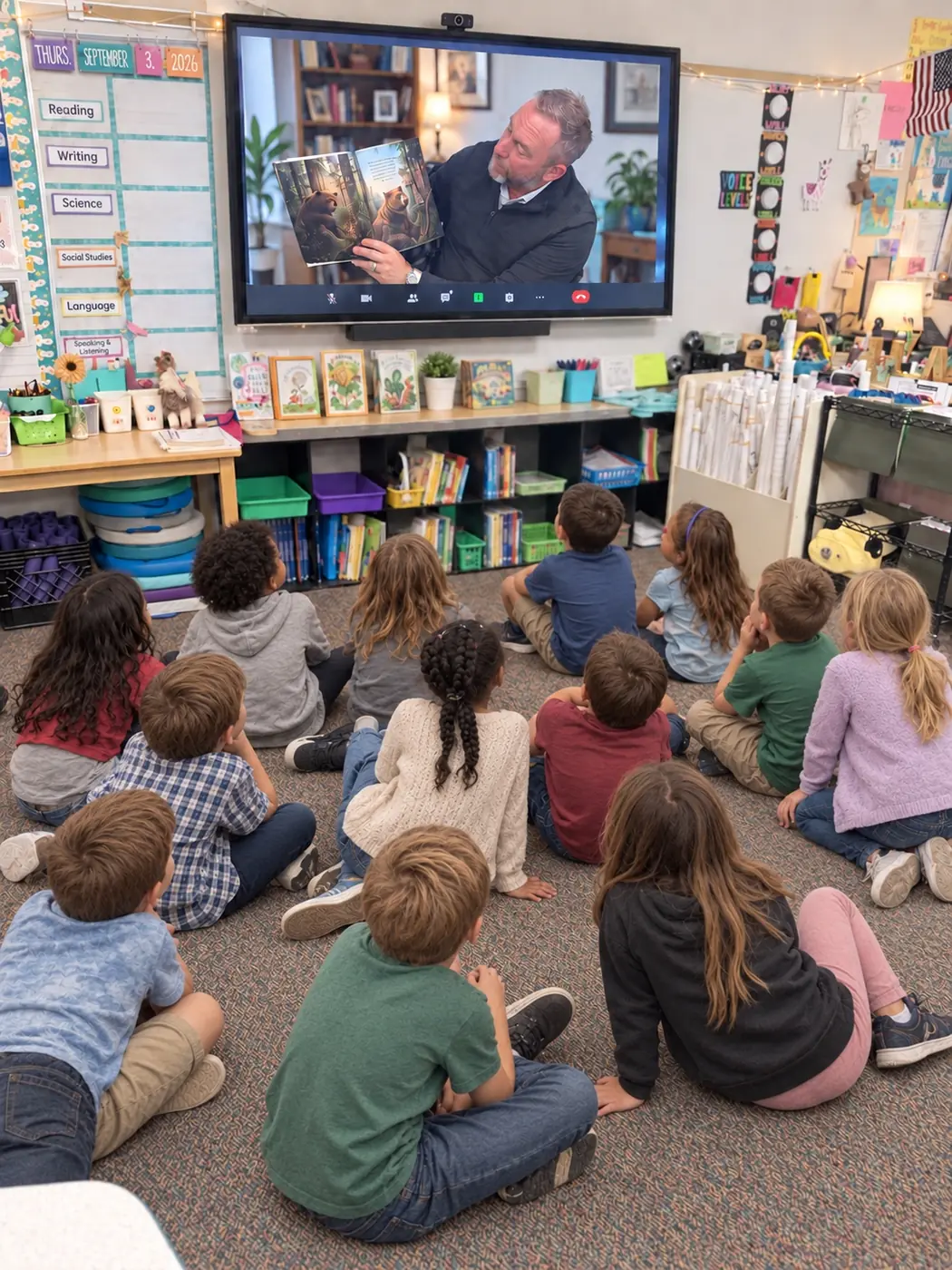
Before reading, ask students whether two very different animals could become close friends. During the story, pause when Brin or Melly makes a choice that affects the other. After reading, invite students to name a strength each character contributes to the friendship.
Teachers and families can continue the conversation with the free SEL discussion guide, explore more classroom read aloud resources, or learn about a virtual author visit with Aaron Daniel Chavez.
A good read aloud does not tell children what to think. It gives them a story worth thinking about together.